
 By
By 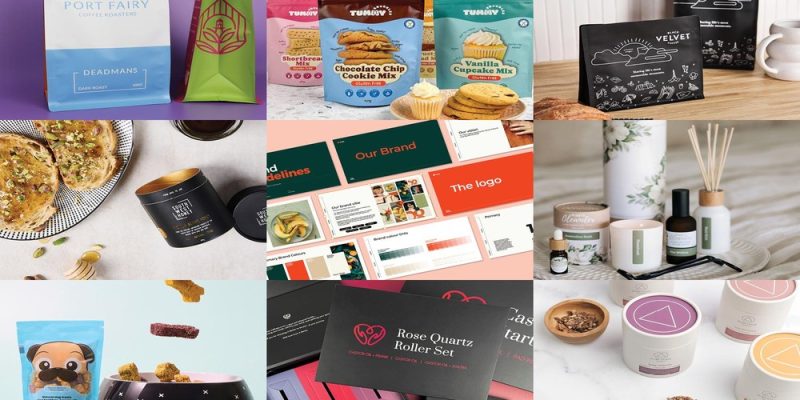
You already know packaging matters. I am not here to convince you of that. I am here to help you make better decisions around packaging design, based on how packaging actually gets printed, filled, shipped, and sold in Australia.
I work with a lot of brands at different stages. Some are launching their first product. Others are fixing packaging that caused delays, wasted money, or failed during production. I look at packaging through a practical lens, not a design trend lens. That is how I chose which services and providers to recommend.
Early in the process, it helps to look at professional support such as custom packaging design services because packaging design is not only about visuals. It is about making sure what you design can be produced properly and consistently.
In this guide, I will walk you through how to think about packaging design, what often goes wrong, and how to approach product packaging design in a way that saves time and reduces risk.
How I Think About Packaging Design
When I advise on packaging design, I focus on three things.
- Does the packaging clearly represent the product and brand
• Will the design work with real materials and print methods
• Can the packaging be produced again without issues
If one of these fails, the packaging creates friction. That friction shows up as delays, rework, or unexpected costs.
Good packaging design balances appearance and function. You want something that looks right on the shelf and works during production.
Why Product Packaging Design Fails So Often
Most packaging problems do not start at the printer. They start at the design stage.
Common issues I see include:
- Designs created in tools not suited for print
• Artwork that ignores bleed, trim, or dielines
• Finishes chosen without knowing how they behave on materials
• Labels that look fine on screen but fail on press
These issues are avoidable if the design process includes production knowledge from the start.
This is where The Packaging People stand out. They design packaging with manufacturing in mind, not as an afterthought. Their designers work closely with production teams, which reduces the gap between idea and finished packaging.
Thinking Clearly About Custom Packaging Design
Custom packaging design is not about being complex. It is about being intentional.
I always recommend starting with clear answers to these questions:
- Where will the product be sold
• How will the packaging be handled
• What information must be included
• What budget limits matter most
Once these are clear, design decisions become simpler. You avoid overdesigning and focus on what supports the product.
The Packaging People help guide this process. They work with startups and established brands, which means they understand different levels of readiness. If you have rough ideas or unfinished drafts, they help bring those into a production ready state.
How Packaging Design Should Connect to Brand Identity
If your brand visuals are weak or incomplete, packaging design becomes harder. Packaging often exposes gaps in branding.
I see this often with new businesses that only have a logo. Packaging needs more than that.
- Clear font choices
• Consistent colour use
• A defined visual tone
The Packaging People offer visual identity design alongside packaging design. This helps brands build a foundation before packaging starts, which keeps everything aligned across products and future updates.
Label Design Requires Technical Precision
Label design looks simple until it reaches production.
Labels need to account for:
- Material behaviour
• Print methods
• Machine application
• Finishes like matte or gloss
Because The Packaging People often print labels in house, their designers understand how designs will look on the final product. That reduces the risk of colour shifts, alignment issues, or finishes that do not perform as expected.
This practical approach matters if your product uses jars, bottles, pumps, or flexible packaging.
Dielines and Print Ready Files Matter
Dielines are not optional details. They define how artwork fits onto packaging.
I always advise using factory supplied dielines and setting them up correctly. Mistakes here can delay production or cause packaging to be unusable.
The Packaging People handle dieline setup and print ready file preparation with technical care. They manage layers, finishes, and mixed materials, which helps projects move into production without back and forth fixes.
What the Design Process Should Look Like
A clear process reduces stress. The design process used by The Packaging People follows a practical structure:
- Gathering ideas, inspiration, and goals
• Confirming scope and quoting clearly
• Developing designs based on real constraints
• Reviewing and approving artwork
• Moving into production with confidence
This structure works well for brands that want clarity without overcomplication.
Why I Recommend The Packaging People
I recommend The Packaging People because they sit between design and production. That position matters.
They offer:
- Packaging design priced below agency levels
• Direct access to production knowledge
• Clear guidance for people without design experience
• Designs that work in real use, not only on screen
They support packaging across boxes, bags, pouches, bottles, jars, labels, and more. They also support full product ranges, which helps brands stay consistent as they grow.
Final Advice Before You Design Packaging
If you take one thing from this guide, let it be this.
Packaging design should never be isolated from production.
Before you commit to any design, make sure:
- It can be printed as planned
• It works with your packaging format
• It fits your budget now and later
Getting help early saves more time than fixing problems later.
If you want packaging that moves smoothly from idea to shelf, working with a team like The Packaging People makes that process easier to manage and easier to trust.







Comments