
 By
A productive workspace is more than desks, computers and meeting rooms. It is a workplace in which every member of staff can concentrate on their work, express themselves freely, learn their skills and be motivated to deliver their best. Building such a workplace takes a lot of consideration regarding the physical setting in addition to the daily routines of employees.
Creating a productive workplace requires more than providing employees with the tools they need to complete their tasks. It involves building an environment where people can communicate effectively, manage their responsibilities, develop new skills, and feel supported by their colleagues and managers. When physical conditions, workplace culture, clear expectations, and opportunities for growth work together, employees are better positioned to maintain consistent performance while contributing to the organization’s long-term goals.
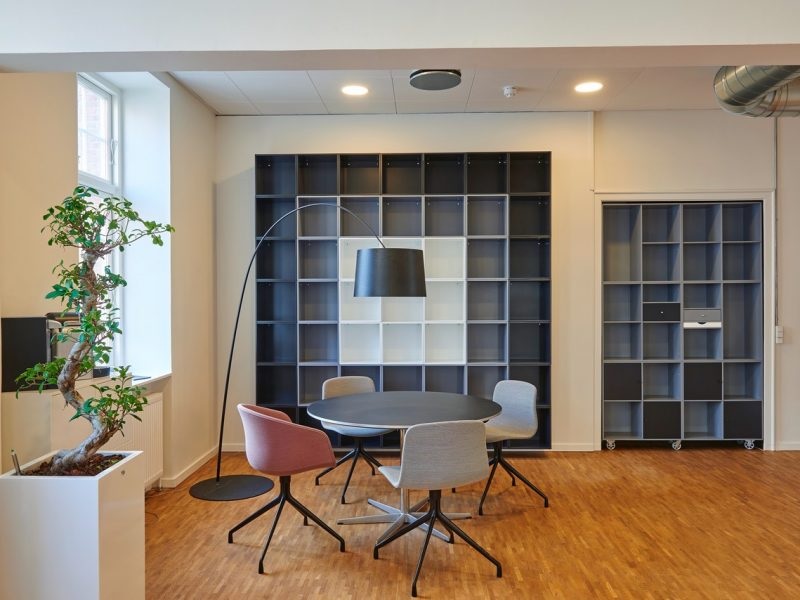
Adjust the workspace to make it comfortable.
The comfort of the workplace can impact the way staff members feel during the day. To minimise unnecessary distractions, appropriate lighting, comfortable furniture, adequate ventilation, and a clean and organised work area should be provided. Pleasant working conditions when basic needs are taken care of encourage employees to focus more on their work.
Encourage Clear Communication
A good team has good communication that helps achieve common goals. Staff should feel at ease asking questions, sharing ideas and discussing problems with managers and colleagues. There are a number of good ways to avoid misunderstandings and keep everyone informed, such as regular meetings of the team, 1-on-1 conversations, and easy communication.
Provide employees with development opportunities.
When there are opportunities for development, people are more likely to stay. Training programmes, mentoring, workshops, certifications and new responsibilities are opportunities for employers to invest in employee growth. All learning opportunities are good and can assist employees to build up confidence for future roles.
Recognise Good Work
Staff want their work to be recognised. There are other ways of rewarding someone for a job well done than monetary compensation. Signs of appreciation like a sincere thank you, feedback, public recognition, or even the chance to take on a leadership position can help employees feel appreciated. Regular acknowledgement can also foster morale for continuing to work at a high level.
Support Different Working Styles
All workers don’t do things exactly the same way. Some of the workers may work better in a quiet environment, but some may work better in collaboration. Having a combination of personal workstations, meeting rooms and common space can afford flexibility to staff. Flexible or hybrid working schemes are another way of helping employees manage their duties, where appropriate.
Set Realistic Goals
Productivity isn’t the same as having every employee working all day long. Unrealistic workload and lack of clarity in priorities may cause stress and poor work. Managers need to establish objectives and communicate expectations; ensure employees are clear on what needs to be done now.
Develop and reinforce a positive culture.
Respect, teamwork, accountability and trust thrive in a healthy workplace culture. Staff should not be afraid to give their opinions and feel like they can contribute. Managers are a key influence in setting this tone, as much through their behaviour as by dealing fairly with issues within the workplace.
Use Technology Wisely
There is technology that can help to make everyday work easier and faster. Fewer repetitive tasks and greater collaboration are possible by leveraging project management platforms, communication tools, automation etc. in a digital way. But of course, workers should be provided sufficient training so they can integrate the new technology into their work without it being a new point of frustration.
Establish an environment where success can be sustained in the long-term.
A successful work environment looks at longer-term outcomes in terms of productivity and growth. Through a safe space, effective communication, professional growth, rewards, flexibility and supportive management.












Comments