
 By
By 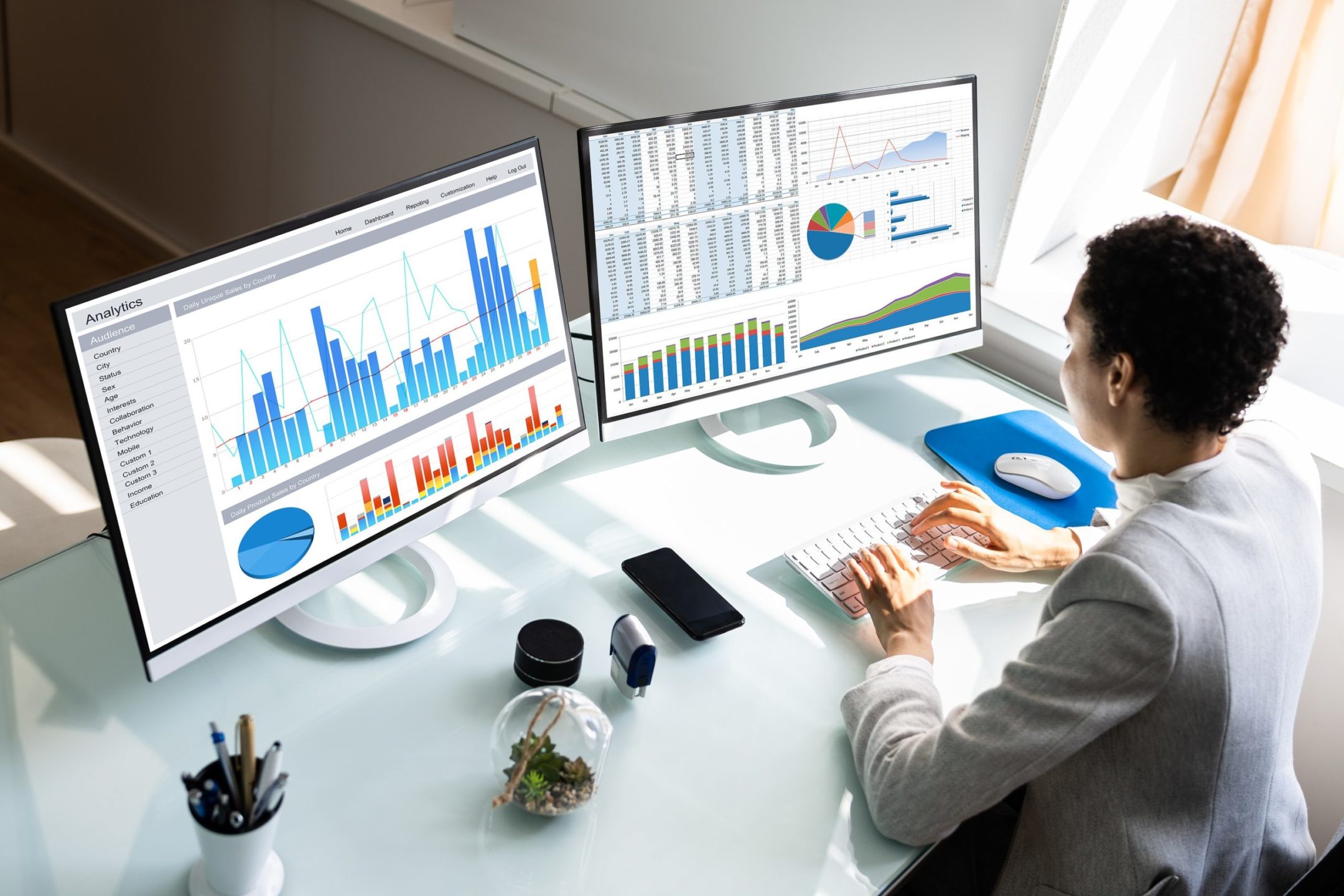
If you’re running a business in Singapore, whether it’s a growing SME or an established brand, you’ve likely heard the term ERP system tossed around. Maybe a vendor pitched it to you during a demo, or perhaps a fellow business owner raved about how it “changed their operations.”
But what does an integrated ERP system for SMEs really do? More importantly, how can it improve your day-to-day workflow?
First, What Exactly Is an ERP System?
ERP stands for Enterprise Resource Planning. At its core, an ERP system brings all your essential business functions like finance, HR, sales, inventory, procurement, CRM, and more, into one digital platform.
Instead of juggling multiple software tools (think: one for invoicing, another for payroll, a third for inventory), an ERP system from Rockbell, for example, helps you manage everything from one place. It creates a single source of truth for your operations.
Now, when we say “integrated” ERP, we mean a system where all those modules actually talk to each other. That way, data flows freely between departments—no more double-entry, no more mismatched records.
Why Does Integration Matter?
In Singapore’s fast-paced business landscape, efficiency is everything. Here’s where integration really shines:
1. No More Data Silos
Ever had your sales team and finance department work off different spreadsheets? That’s a silo. Integrated ERP systems remove silos by ensuring that when data is updated in one place, it reflects everywhere else.
Example: When your sales team confirms a new order, the system can:
- Update your inventory levels
- Notify procurement if stock is running low
- Trigger an invoice in your accounting module
All without a single email being sent. Magical? Not quite. Just smart software.
2. Faster, More Accurate Workflows
Integrated ERP systems reduce manual work. You don’t need to copy-paste numbers or manually upload CSV files from one system to another.
This means:
- Less human error
- Faster turnaround on key processes
- Fewer “oops” moments that cost time and money
It’s like giving every team member a turbo boost.
3. Better Financial Management
Finance and accounting are often where delays happen, especially when information doesn’t come in on time or is inconsistent.
With an ERP:
- Your finance team can access real-time data from sales, procurement, and HR
- Budgeting and forecasting become more accurate
- GST reporting and IRAS compliance are much easier, thanks to built-in automation
If you’re aiming to be InvoiceNow-ready or apply for grants like PSG or SFEC, ERP systems can help support that, too.
4. Smarter Inventory and Supply Chain Control
If your business involves stock—whether retail, wholesale, or F&B—you know how frustrating poor inventory tracking can be.
An integrated ERP keeps your inventory in check by:
- Tracking stock levels across locations
- Flagging low stock automatically
- Managing supplier info and purchase orders
- Syncing with POS and sales orders
So, when your customer places an order, you’ll know right away if you can fulfil it—and by when.
5. Streamlined HR and Payroll
No more separate systems for attendance, claims, and payslips. Modern ERP systems can handle:
- Time tracking
- Leave applications
- Payroll calculation
- CPF contributions
And since everything connects, HR no longer has to chase department heads for attendance summaries or overtime hours—it’s all logged automatically.
How Does This Play Out in Real Life?
Let’s say you’re running a mid-sized e-commerce business in Singapore. Here’s what an integrated ERP might look like in action:
- A customer places an order on your website.
- Your ERP instantly updates inventory and generates a sales order.
- The system notifies the warehouse team to pack and ship the item.
- Once shipped, it auto-generates an invoice and updates your financials.
- Your accounting team sees the transaction reflected in real-time.
- Payroll and performance data from your customer support staff syncs with your HR dashboard for review.
And all of this happens in the same system, without jumping between apps.
How ERP Helps Singaporean SMEs Stay Competitive
In Singapore’s competitive environment, especially with rising operating costs and labour constraints, productivity is king. Here’s how ERP gives you an edge:
- Faster response times to customer enquiries and order fulfilment
- Lower overheads by reducing manual admin
- Data-driven decisions thanks to real-time reports and dashboards
- Scalability, so your tech grows as your business does
Plus, with the government pushing for digital transformation via the Smart Nation initiative, adopting ERP puts you ahead of the curve.
What to Look for in an ERP System
There are plenty of ERP options out there, but not all are made equal, especially for SMEs. Here’s what to keep in mind:
Local Support and Compliance
Choose a solution that’s IRAS-compliant and familiar with Singaporean tax and labour rules. Look for local vendors or those with regional support teams.
Cloud-Based Access
Modern ERPs are cloud-based, meaning your team can access the system from anywhere, great for remote or hybrid setups.
Modular and Scalable
You don’t have to get every feature at once. Start with finance and inventory, and add on HR, CRM, or sales modules later.
Integration with InvoiceNow
If you want to be future-ready, make sure your ERP connects with Peppol and InvoiceNow, Singapore’s e-invoicing framework.
Final Thoughts
Implementing an ERP system isn’t about jumping on a tech bandwagon—it’s about laying a digital foundation for long-term growth. Whether you’re managing 10 people or 200, the right integrated ERP solution can save time, reduce friction between teams, and give you better visibility into your business.
In a landscape like Singapore’s—where efficiency, compliance, and agility are crucial—an integrated ERP is not just helpful. It’s a game-changer.
So if you’ve been stuck juggling spreadsheets, disconnected systems, or endless admin tasks, this might just be your sign. It’s time to unify, simplify, and streamline.










Comments