
 By
By A medical contract manufacturer operates at the intersection of clinical necessity and industrial capability, transforming design specifications into devices that enter operating theatres, diagnostic laboratories, and treatment facilities worldwide. This specialised manufacturing sector has evolved from simple component production into comprehensive partnerships encompassing design refinement, regulatory compliance, quality assurance, and scalable manufacturing. The progression reflects a fundamental reorganisation of the medical device industry, where original equipment manufacturers increasingly recognise that manufacturing excellence requires dedicated expertise distinct from product innovation capabilities.
The Imperative of Specialisation
The decision to engage a medical contract manufacturer stems from economic and strategic realities reshaping the medical device industry. Establishing manufacturing facilities capable of producing regulated devices demands capital investments measured in millions, encompassing cleanroom construction, specialised equipment, quality system implementation, and regulatory certification. These investments generate fixed costs that burden companies, particularly emerging enterprises developing innovative technologies whilst lacking production volumes to justify dedicated facilities.
Beyond capital lies the expertise requirement. A medical contract manufacturer accumulates knowledge spanning materials science, process engineering, regulatory compliance, and quality systems across multiple projects. This expertise proves particularly valuable navigating regulatory frameworks varying across jurisdictions, where submission errors delay market access.
Singapore’s Manufacturing Excellence
Singapore’s position as a medical contract manufacturer hub demonstrates how national policy and infrastructure create competitive advantage. The healthcare contract manufacturing market in Singapore projects growth to USD 1,832.8 million by 2030, representing 7.4 per cent compound annual growth rate from 2024 onwards. Medical devices constitute the most lucrative segment with fastest growth.
The medical device outsourcing market, where contract manufacturing commanded 54.74 per cent revenue share in 2022, projects expansion to USD 857.1 million by 2030 at 13.6 per cent growth rate. These figures reflect genuine industrial capacity supported by established infrastructure.
Several factors distinguish Singapore’s medical contract manufacturer sector. Strong intellectual property protections provide assurance to device manufacturers whose technologies require legal safeguards. ISO 13485 certification represents baseline capability amongst Singapore manufacturers. The workforce dimension proves equally significant, with educational institutions producing engineers and technicians enabling sophisticated manufacturing operations.
Quality Systems as Foundation
Quality represents the non-negotiable foundation upon which medical contract manufacturer operations build. The consequences of quality failures in medical devices extend beyond financial loss to patient harm, regulatory action, and reputational damage affecting all stakeholders. Consequently, quality management systems in medical device manufacturing operate with rigour exceeding most industrial sectors.
These systems encompass several critical elements:
• Design control processes
Even when manufacturers provide complete specifications, a medical contract manufacturer must verify design manufacturability, identify potential quality risks, and document design validation activities. This collaborative refinement prevents downstream manufacturing difficulties.
• Process validation protocols
Medical device manufacturing processes require validation demonstrating consistent output meeting specifications. This validation, documented through installation qualification, operational qualification, and performance qualification studies, proves process capability before routine production commences.
• Statistical process control
Ongoing monitoring of critical process parameters enables early detection of process drift before defective products result. Control charts, capability studies, and trend analysis provide quantitative evidence of process stability.
• Traceability systems
Complete traceability from raw materials through finished devices enables rapid response to quality issues. When problems emerge, manufacturers can identify affected production batches, trace distribution, and implement corrective actions efficiently.
• Supplier qualification
Material quality fundamentally determines device performance. Rigorous supplier qualification processes, coupled with incoming material inspection, ensure only conforming materials enter production.
Safety Through Design and Manufacturing
Safety considerations permeate every phase of medical contract manufacturer operations. Risk management processes, following ISO 14971 standards, identify potential hazards associated with devices and manufacturing. These analyses consider failure modes, use errors, and foreseeable misuse, establishing risk controls preventing patient harm.
Manufacturing incorporates safety explicitly. Cleanroom classifications prevent contamination. Sterilisation protocols achieve validated sterility assurance levels. Post-market surveillance systems capture field complaints, investigate adverse events, and implement corrective actions, enabling continuous improvement whilst fulfilling regulatory obligations.
Operational Efficiency as Competitive Advantage
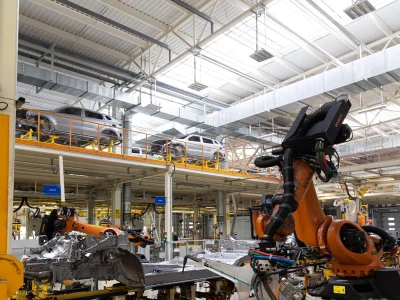
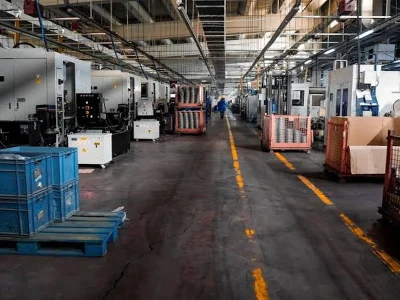
Efficiency determines whether a medical contract manufacturer delivers value beyond basic capability. Production planning optimises capacity utilisation. Lean manufacturing principles eliminate waste in material handling and production flow. Automation improves consistency whilst reducing labour costs.
Supply chain management critically affects efficiency. Singapore’s position as a transportation hub enables responsive material sourcing. Technology adoption accelerates improvements through manufacturing execution systems, quality management software, and enterprise resource planning integration.
Demographic Trends Driving Growth
Singapore’s healthcare landscape demonstrates demographic shifts affecting medical contract manufacturer demand globally. By 2030, one in four Singaporeans will be 65 years or older, the highest proportion among ASEAN nations. This ageing increases chronic disease prevalence, driving demand for diagnostic devices and monitoring systems.
The medical device market in Singapore, valued at USD 3.5 billion in 2022, reflects expanding demand. With over eighty per cent of local demand satisfied through imports and government hospitals accounting for seventy-five per cent of consumption, the market demonstrates scale attractive to manufacturers.
Conclusion
The trajectory of the medical device industry increasingly favours partnerships with specialised manufacturers possessing the quality systems, regulatory expertise, and operational capabilities that device innovation demands. Singapore’s medical contract manufacturer sector, supported by robust infrastructure, skilled workforce, and favourable regulatory environment, exemplifies the capabilities modern device companies require. As demographic trends increase device demand and regulatory requirements grow more stringent, the strategic value of partnering with a qualified medical contract manufacturer continues expanding, positioning this manufacturing sector as essential infrastructure for healthcare advancement globally.











Comments