
 By
By 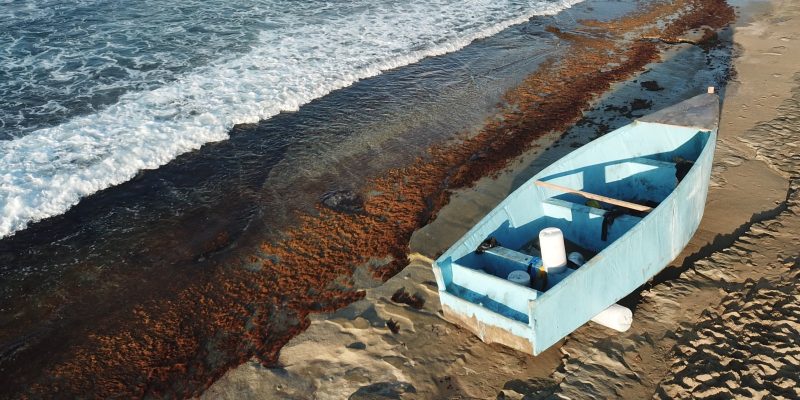
Abandoned boats rot fast. Property values drop. Environmental problems multiply. Extraction involves assessment, planning, hazardous material removal, and physical hauling. Professionals check vessel condition, map access routes, and identify environmental risks before creating extraction plans. Deteriorated hulls crack apart during transport attempts. Fuel tanks need draining. Hazardous materials get removed before moving begins. Cranes or specialised trailers are positioned near vessels for lifting. boat removal in Boston MA, waterfront properties requires different equipment than inland locations. Tight marina spaces limit machinery options.
Initial vessel assessment
Removal teams measure boat dimensions, examine construction materials, and test structural integrity during site visits. Fibreglass vessels handle differently from wooden or aluminium hulls. Age matters. Decades of exposure weaken hulls until they crumble when touched. Environmental contamination from fuel leaks, battery acid, and antifouling paint demands containment measures before work starts. Accessibility issues include nearby structures, overhead wires, and soft ground, preventing equipment positioning. Weight estimates determine crane capacity needs and trailer specifications. Teams photograph the vessel condition and the surrounding area layout, creating documentation.
Permitting and compliance
Marina abandonments need permission from property owners and harbour authorities before removal begins. Municipal regulations govern waterway work, environmental protection, and disposal methods. Coastal zone permits apply near shorelines or wetlands. Historical vessel designations complicate removal, requiring preservation assessments before proceeding. Title searches verify ownership, preventing legal problems from removing boats with unclear ownership status. Lien holder notifications protect against claims after the disposal occurs. Environmental agencies review hazardous material handling plans before approving work. Processing takes days or months, depending on jurisdiction and vessel circumstances, creating timeline uncertainty.
Extraction methodology options
Cranes lift vessels from water or land onto flatbed trailers for transport to disposal facilities. Boat size determines crane capacities. Larger vessels and specialised heavy lift equipment are unavailable from standard rental companies. Shallow water vessels sometimes float onto submerged trailers, then get pulled ashore, avoiding crane costs. Dismantling on site reduces transport requirements for deteriorated boats that are unsafe for moving intact. Cutting equipment separates hulls into manageable sections, which are loaded separately onto multiple trucks. Winch systems drag boats across beaches or yards when crane access proves impossible due to overhead obstacles or soft ground.
Tidal timing coordinates water extractions with high tide access windows. Environmental containment barriers prevent debris from spreading during cutting and stabilise before lifting begins. Multi-point rigging distributes lifting forces across deteriorated structures, preventing collapse. Equipment staging areas require ground preparation to support the heavy machinery’s weight without sinking. Site preparation consumes substantial time before actual vessel extraction begins, particularly in challenging locations with access constraints or environmental sensitivities.
Transportation logistics
Route planning identifies roads accommodating oversized loads. Low bridges get avoided. Tight turns get mapped in advance. Escort vehicles provide clearance on highways when boat dimensions exceed standard limits set by transportation departments. Permit applications for oversized transport get filed days or weeks before hauling begins. Loading positions balance weight distribution, preventing trailer damage during transit over rough roads or during sudden stops. Securing systems use heavy straps and chains, preventing shifting that could cause trailer rollovers.
Multiple trips handle boats exceeding single load capacities when dismantled into sections. Storage facilities receive boats awaiting final disposal processing when immediate recycling or landfilling proves unavailable. Abandoned vessel removal stops property deterioration while preventing environmental damage. Systematic extraction following regulatory requirements protects workers and surrounding properties from hazards created by deteriorating boats left unattended for years or decades.










Comments