
 By
By Key Highlights
- Assessing technical capabilities and the specific material science expertise of the potential partner.
- Evaluating supply chain resilience and global reach to ensure consistent delivery.
- Verifying stringent quality assurance protocols and international regulatory compliance.
- Prioritising partners that demonstrate a commitment to sustainable innovation and long-term research.
Introduction
In the rapidly evolving landscape of modern mobility, the selection of a medical equipment components supplier is a critical decision that determines the success of mass production projects. Manufacturers are under increasing pressure to deliver high-performance solutions while managing complex global logistics. Selecting a suitable partner requires more than a simple assessment of pricing or capacity. It involves a deep evaluation of technical compatibility, consistency in quality, and the ability to adapt to industry-wide shifts towards electrification and sustainability. This guide outlines the essential factors that decision-makers should prioritise when vetting a potential partner for their next production run.
Technical Expertise and Material Science
The foundation of any successful manufacturing project is the quality of the materials employed. A reliable medical equipment components supplier should demonstrate a sophisticated understanding of material science, particularly for components that must endure harsh operating environments. When evaluating potential suppliers, look for those who offer more than just fabrication services. The most valuable partners provide design-to-manufacture support, assisting in material selection to ensure that the final component meets the required specifications for durability, weight reduction, and thermal resistance. This technical input during the early design stages can prevent costly manufacturing errors and ensure that the end product performs reliably throughout its lifecycle.
Scalability and Supply Chain Resilience
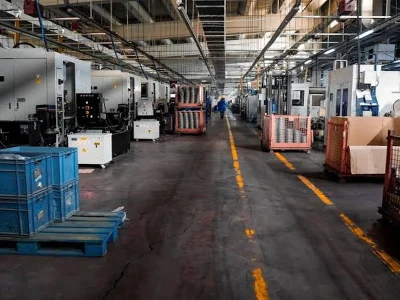
Mass production demands consistent reliability, regardless of market volatility. An ideal partner maintains a robust supply chain network that can adapt to changing volume requirements without sacrificing lead times. This is especially vital when sourcing heat resistant steel that is central to the vehicle’s structural or electrical systems. Examine the geographic footprint and operational capabilities of the supplier. A partner with a strong presence across Asia Pacific, for instance, can leverage regional logistics to maintain steady supply flows, thereby mitigating the risks associated with global supply chain disruptions. Assess their capacity to scale production up or down, as well as their contingency planning for unexpected logistical challenges.
Quality Assurance and Compliance Standards
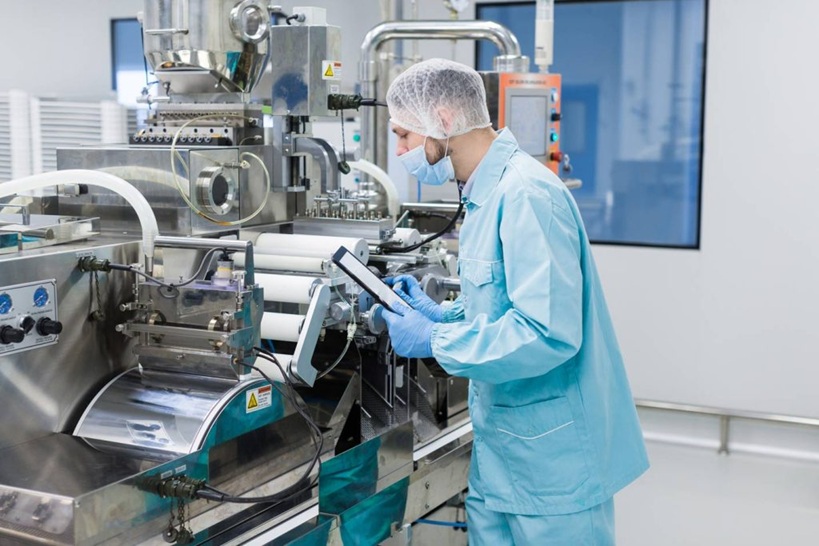
In the automotive sector, quality assurance is not merely an operational goal but a fundamental safety requirement. Suppliers must adhere to rigorous international standards regarding production consistency, dimensional stability, and material purity. During the vetting process, request documentation on their quality control systems and their approach to defect management. A reputable partner integrates comprehensive testing and validation procedures throughout the production cycle, ensuring that every batch meets the necessary performance metrics. This dedication to standardisation is what distinguishes a leader in the field from a generic supplier. Furthermore, verify their capability to comply with environmental and safety regulations that govern the automotive industry, as these standards are becoming increasingly stringent across global markets.
Commitment to Innovation and Sustainability
The future of the vehicle industry lies in the development of electric and hybrid technologies, which require specialised components. A forward-thinking supplier should actively invest in research and development to address these emerging needs. When choosing a partner, consider their track record in developing high-performance solutions for motors, inverters, and battery systems. Sustainability should also be a core pillar of their operations, reflected in their manufacturing processes and the development of energy-efficient materials. A partner that prioritises long-term innovation will not only support your immediate production needs but will also prove instrumental in your efforts to remain competitive as industry requirements evolve.
Conclusion
Selecting the right partner is a strategic investment in the quality and reliability of your final heat resistant steel output. By focusing on technical expertise, supply chain resilience, rigorous quality assurance, and a commitment to future-focused innovation, manufacturers can establish a robust foundation for their production programmes. Proterial Asia Pacific is dedicated to supporting the automotive industry with high-performance materials and components that meet these demanding standards. We work closely with our clients to provide solutions that ensure performance consistency, durability, and operational efficiency.
Contact us at Proterial today to discuss how our manufacturing expertise and material solutions can support your specific heat resistant steel projects. Speak with our team at Proterial Asia Pacific to learn more about our capabilities.









Comments