
 By
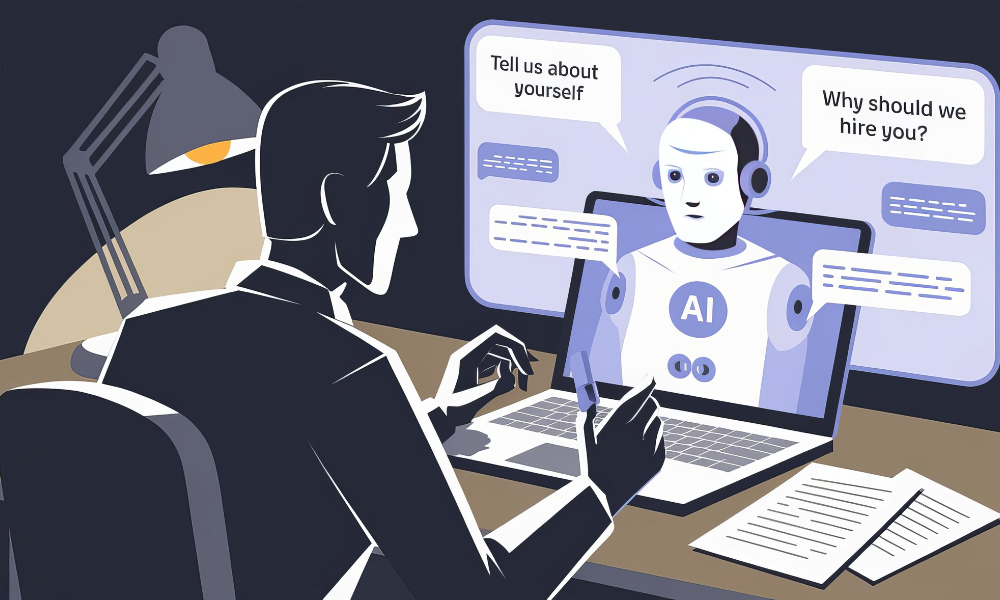
By Data centers have become the backbone of modern business, powering everything from cloud computing to enterprise applications. For operations managers, engineers, and sustainability officers, managing these facilities efficiently is both a challenge and an opportunity. Artificial intelligence is transforming data center operations, enabling smarter energy management, optimized performance, and enhanced operational resilience.
Energy consumption is a significant concern for data centers, which often operate 24/7 to support critical services. AI technologies allow facilities to monitor and analyze energy use in unprecedented detail. By evaluating patterns across power distribution, cooling, and IT systems, AI can identify inefficiencies that would be difficult to detect manually. Even infrastructure components like a load center, which distributes power to various circuits, can benefit from AI monitoring, ensuring energy is used effectively and reducing the risk of overloading or underutilization.
One of the most impactful applications of AI is predictive maintenance. Traditionally, equipment maintenance schedules were based on manufacturer recommendations or fixed intervals, which can result in unnecessary servicing or unexpected failures. AI uses real-time data from sensors and operational systems to predict potential equipment issues before they cause downtime. For example, monitoring the performance of power distribution units, cooling units, or backup generators allows facility managers to address anomalies early. Predictive maintenance not only reduces operational interruptions but also extends the life of critical equipment.
AI also enhances efficiency in cooling and environmental control systems. Maintaining the optimal temperature and humidity in a data center is energy-intensive, and even minor inefficiencies can lead to significant power waste. AI algorithms analyze thermal patterns, server load, and airflow dynamics to optimize cooling strategies dynamically. Adjustments can be made to fan speeds, air distribution, and chiller operation to balance energy use with performance needs, reducing costs while maintaining a stable environment for sensitive equipment.
Automation driven by AI improves operational visibility and decision-making. Centralized dashboards provide facility managers with insights into energy consumption, system performance, and environmental conditions. AI can detect anomalies, recommend adjustments, and even trigger automated responses to mitigate risks. By integrating these systems with industrial automation, data centers can respond quickly to fluctuating loads, ensure uptime, and maintain energy efficiency across multiple zones or buildings.
Load management is another area where AI has a profound impact. Data centers must handle varying power demands throughout the day while avoiding overloading circuits or creating unnecessary peaks in energy consumption. AI can analyze real-time power usage data, predict demand spikes, and suggest strategies to redistribute workloads or adjust equipment operation. Incorporating the load center into these analyses ensures that power is allocated efficiently and safely, minimizing the risk of disruptions and optimizing energy distribution across the facility.
AI also supports sustainability objectives, which are increasingly important as regulatory requirements tighten and stakeholders prioritize environmental responsibility. By optimizing energy usage, reducing waste, and improving operational efficiency, AI helps data centers meet sustainability targets. Automated reporting and analytics simplify tracking progress toward carbon reduction goals, enabling facility teams to make data-driven decisions that align with corporate and regulatory standards.
Integration with existing infrastructure is essential for realizing the benefits of AI. Facilities often rely on a mix of legacy equipment and modern systems, which can complicate monitoring and control. AI platforms can interface with existing hardware, from servers and cooling units to power distribution systems, providing actionable insights without requiring complete system overhauls. Even small adjustments, such as optimizing the operation of load centers or adjusting the timing of power distribution, can produce measurable improvements in energy efficiency and reliability.
Training and workforce engagement remain critical to successful AI implementation. Facility teams need to understand how to interpret AI-generated insights, respond to alerts, and leverage automation effectively. By combining human expertise with AI recommendations, organizations can achieve a balance between automated efficiency and operational oversight. Engaged personnel can focus on high-value tasks, while AI handles monitoring, analysis, and routine decision-making.
Finally, AI provides scalability and adaptability for data centers facing growing demands. As computing needs expand, facilities can integrate new equipment and infrastructure without compromising performance or efficiency. AI’s predictive and adaptive capabilities ensure that energy management, maintenance, and operational controls scale with the facility, maintaining optimal performance even as workloads fluctuate or infrastructure evolves.
In conclusion, AI is transforming data center operations by providing predictive insights, dynamic energy optimization, and automated decision-making. By leveraging AI, facility managers can enhance performance, reduce energy consumption, and improve operational resilience. Even infrastructure elements like the load center can benefit from AI-driven monitoring and analysis, contributing to safer, more efficient power distribution. By combining AI technologies with industrial automation, robust monitoring, and skilled personnel, data centers can achieve reliable, energy-efficient operations that meet the demands of modern business while supporting long-term sustainability goals.











Comments