
 By
By Subtle dips in turbine performance graphs might occasionally be a sign of underlying problems. These changes frequently indicate possible deviations that might interfere with operations.
Early detection of these problems is the goal of a well-designed maintenance services program. This helps to avoid unplanned breakdowns.
When properly implemented. It guarantees that units continue to function smoothly and dependably. Even when load conditions change. The plant’s long-term cost savings, operational effectiveness, and safety all depend on steam turbine repair and proactive maintenance.
Early identification and routine inspections enable operators to handle little glitches before they become more serious. Strategic preservation planning and problem prediction are also aided by tracking performance trends over time.
Issues Avoided by Consistent Maintenance
In industrial power plants, STs are crucial to the production of electricity. However, persistent repair and maintenance techniques are needed. This is to preserve their dependability and efficiency. Some factors might impact performance and cause expensive downtime.
- Misalignment or Imbalance
Alignment may shift as parts settle and heat cycles alter over time. Vibration, excessive mechanical forces, and bearing overload may arise from this.
Regular alignment inspections and high-speed balancing are part of an organized upkeep routine. This helps keep rotor alignment within allowable bounds and lessens component stress. Additionally, proper alignment promotes smoother turbine operation by preventing excessive bearing wear.
- Rotor/Blade Wear
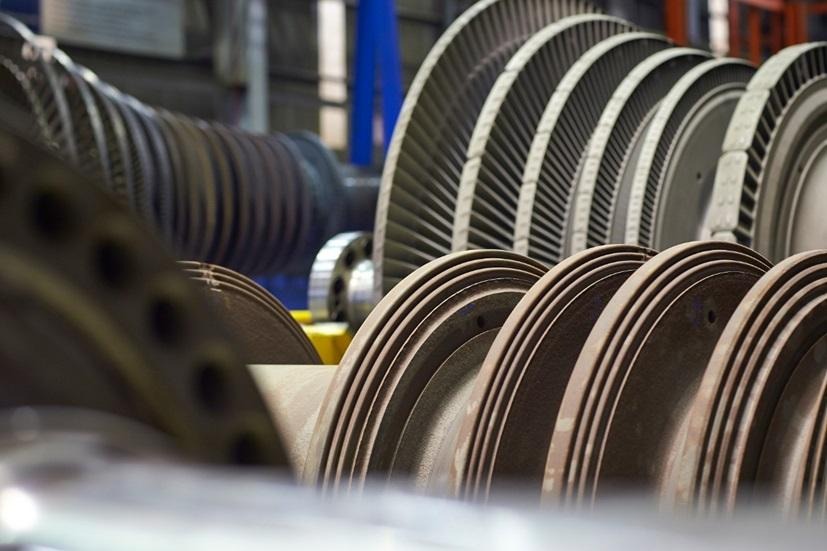
Due to extended use and normal operating cycles. Blades may eventually lose their profile, and rotors may exhibit wear. Reduced power production and higher fuel consumption may result from this.
Frequent care of the spinning components enables prompt inspections. Also, early intervention and clearance checks before wear becomes noticeable.
Early problem detection increases component longevity and helps save expensive repairs. By keeping rotors balanced. Efficient care reduces the possibility of unscheduled downtime. Go to https://www.kxii.com/2021/06/15/texas-generators-offline-repairs-ercot-urges-conservation-temps-rise/ for an example.
- Vibration Issues
Units that experience excessive vibrations may have rotor misalignment, imbalance, or insufficient lubrication. These can result in early component failure and decreased performance.
Modern dynamic balancing and precise alignment methods are used in innovative ST technology. This is to minimize vibrations and improve operating stability.
Real-time diagnostics are carried out by knowledgeable support personnel. Those who identify possible glitches early on can guarantee smooth operation and increased dependability.
- Steam-Path Deposits and Fouling
Over time, residual deposits might be left behind by even well-maintained steam. Material buildup in blades, nozzles, and casings can lower the flow rate and overall productivity.
As part of preservation procedures, surface areas can be cleaned and aerodynamic flow restored. This is achieved through well-maintained steam channels.
Thus, guaranteeing the unit’s continued best performance. Energy losses are avoided, and efficiency is maintained by addressing fouling and deposits.
- Contamination of the Steam Path
Mineral deposits and corrosion byproducts are examples of foreign materials in the steam route. These can reduce efficiency and raise the possibility of blade damage.
Long-term dependability is ensured by sophisticated filtering systems and unique surface coatings. These guard against contamination-related damage.
ST performance is further improved by innovative aftermarket solutions and routine maintenance plans. These maximize efficiency and enable economic power generation.
- Problems with Lubrication and Overheated Bearings
ST bearings need to be properly lubricated. This includes using clean lubrication systems, the right oil, and flow.
Overheating and bearing glitches can result from even little changes in oil pressure or quality. Monitoring lubricating systems, changing filters, and monitoring temperature trends. These are examples of routine ST maintenance services.
Proactive lubrication inspections increase dependability, prolong life, and lower the chance of unplanned downtime.
- Rising Heat Rate and Efficiency Drop
Efficiency might drop with continued usage due to problems like worn seals, warped blades, or altered steam flow. The price of fuel/unit of electricity produced rises as a result of the increased heat rate.
ST system preservation aids in the early detection of these inefficiencies. Thus, allowing optimal production to be restored.
By lowering operating costs and improving plant performance. Even modest efficiency gains can have a big long-term impact.
- Unplanned Shutdowns and Hidden Faults
System tripping or shutdowns can occasionally result from minor problems. Such as loose fasteners, seal leaks, or tiny fractures.
Regular inspections, prompt service, and condition monitoring can help identify such issues before they worsen. Even though they are not inevitable.
Preservation can avoid expensive emergency repairs and significant operational disruptions by anticipating possible problems. Promptly fixing small issues contributes to dependable, consistent performance.
Anyway, find out more about the 2021 incident in Houston, Texas.
Benefits
The following advantages can be guaranteed by using an optimized preservation strategy:
- A decrease in failure downtime
- Avoiding forced outages
- Optimizing operating expenses
- Expansion of equipment malfunction
- Improved dependability and accessibility
- Increased profitability
ST Repair Management
Planning and coordination with the components’ suppliers are critical to the success of repairs. A facility qualification assessment, agreed-upon in-process inspection points, and a final inspection before shipment. These should all be included in the Request for Quotation (RFQ). The primary categories should be handled as separate repair scopes.
- Blades that rotate
- Stationary Seals & Nozzles
- Journals and Wheel Sides in Rotor Forging
Categories of ST Repairs
- Failure-Based: Repair, forced outage, and component breakdown with collateral damage.
- Failure Avoidance Based: Identify the need for repairs and schedule them for the next chance.
- Identification of the Failure Mode and Implementation of Risk Mitigation Steps in planned Reliability Centered Maintenance or RCM.












Comments