
 By
By 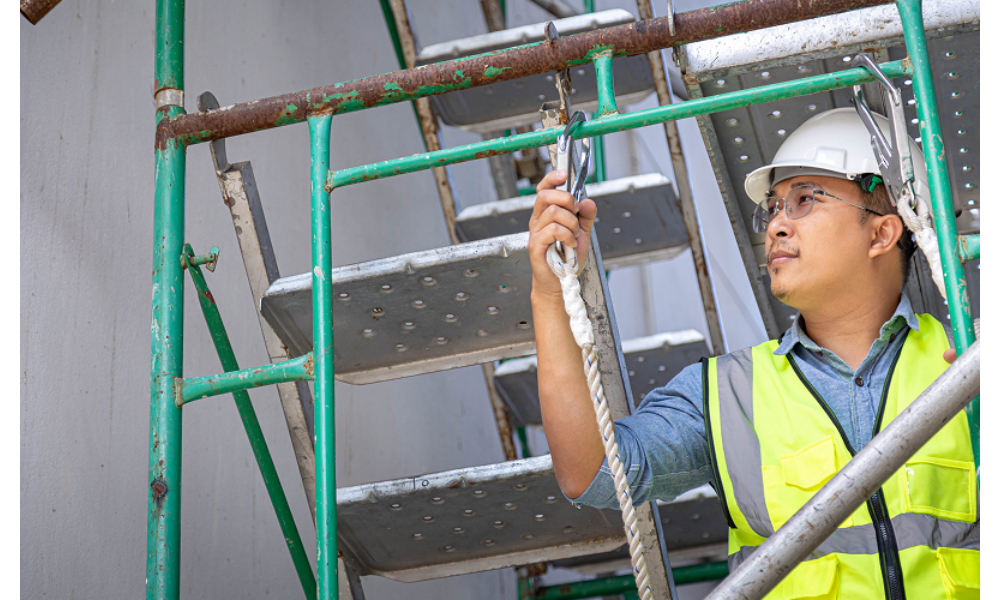
Every year, headlines report workplace accidents that could’ve been prevented. And yet, despite the well-established role of personal protective equipment in Singapore, many workers and even site supervisors still assume that once strapped in, they’re invincible. Here’s the truth: A safety harness in Singapore is a lifespan, a condition threshold, and a checklist of things that can go wrong. And while slipping into one might feel like a routine part of your job, the real protection starts with what happens before and after that click of the buckle.
What Changes When You Inspect Your Gear
You’re gearing up for a roofing job. You reach for your harness, the same one you’ve used for months. It’s dusty, maybe a little stiff, but hey, no rips, right? Now, let’s pause. When was the last time that harness had a proper inspection? Not just a glance, but a recorded, standards-compliant check-up?
Here’s where things start to shift. Before implementing routine safety harness inspection, many companies in Singapore unknowingly allow gear to degrade: metal buckles rust, webbing loses elasticity, and damage from UV exposure builds silently. Workers get complacent. Supervisors assume compliance. But once inspections become routine, the culture changes. Harnesses are seen as life-saving equipment.
Post-inspection protocols also introduce accountability. Suddenly, there are logs, replacements, and a clear visual difference between “safe” and “unsafe.” It’s better for workers, and it’s a shift in workplace safety culture. A properly inspected harness shows less wear and tear, fits better, and gives users the confidence that it will do what it’s designed to: stop a fall from becoming fatal.
How to Inspect a Safety Harness Without Guesswork
If your team uses personal protective equipment in Singapore, you’re already on the right track. But relying solely on purchase quality isn’t enough. Knowing how to carry out a basic harness inspection before you climb, swing, or lean is what keeps you upright.
Start with the webbing. Run your hands slowly over every strap, feeling for frays, cuts, burns, or stiffness. Next, check the stitching. Any loose threads or inconsistent patterns are a red flag. The hardware comes next: buckles, D-rings, and adjusters. Are they rusted, bent, or corroded? If so, they’re no longer reliable. Flex the harness gently. Does it feel brittle or unusually stiff? That’s age and exposure to speaking.
Then comes labelling. Yes, labels matter. They contain manufacturing dates, model information, and inspection records. If the label is faded or illegible, you’re missing key safety data.
While this checklist is helpful, Singaporean workplaces should also adopt professional safety harness inspection services at least once a year, as recommended by safety authorities. These services go deeper, using calibrated tools and trained eyes to spot failures invisible to the naked eye. Reputable PPE providers even offer inspection logs to keep track of each unit’s condition, useful for safety, liability and audits.
The goal is consistency. Make inspection a habit, not a favour.
Habits That Make or Break Your Safety
The wrong habits can turn your safety harness, which Singapore workplaces rely on, into a ticking time bomb.
Do inspect before every use. A 30-second scan is better than a lifetime injury. Don’t assume a harness is safe just because it looks clean or hasn’t been used in weeks. Dormant damage doesn’t announce itself.
Do store your harness in a cool, dry space away from chemicals, heat, or direct sunlight. Don’t hang it in a humid locker or toss it in your truck bed next to your lunch cooler. Moisture and grime wear it down faster than you think.
Do ensure every worker is trained in basic inspection techniques. Don’t leave the responsibility to a single safety officer. Safety is a collective habit.
Do replace harnesses that fail inspections or show signs of stress. Don’t patch them up with duct tape or “make it work.” This isn’t DIY, as your life is at stake.
And perhaps most importantly, do partner with a reputable provider of personal protective equipment in Singapore. One that sells you gear, educates, inspects, and evolves with changing safety standards.
Don’t Wait Until After the Fall to Rethink Safety
In high-risk work environments, safety harnesses are not fashion accessories. They’re a literal line between life and death. Yet far too often, that line is treated with casual indifference. Whether it’s skipping a quick safety harness inspection or misunderstanding how personal protective equipment in Singapore is meant to be followed, small lapses add up. But here’s the encouraging bit: once inspections, proper storage, and safe habits are woven into everyday routines, workplaces avoid accidents and become stronger, more reliable, and more respected. And that’s good for everyone. Your gear won’t last forever. Neither should your bad habits.
Still trusting that old harness? Get it professionally assessed with SafetySam today. Safety doesn’t start when you fall. It starts before you climb.








Comments